 Back to Blog
How Often Can You Eat Sushi? Benefits, Balance, and Healthy Eating Recommendations
How Often Can You Eat Sushi? This is a common question among people who enjoy Japanese cuisine while trying to maintain a balanced diet. The answer depends on the ingredients, portion size, and your overall eating habits. High-quality sushi can easily become part of a healthy meal plan when it is prepared with fresh ingredients and enjoyed in moderation.
Nutritional Value of Japanese Cuisine
The Benefits of Sushi come from its well-balanced nutritional profile. Fish provides high-quality protein and omega-3 fatty acids, while seafood contains essential minerals such as iodine, selenium, and phosphorus. Fresh vegetables add fiber, which supports healthy digestion. Together, these ingredients create a meal that is both nourishing and light.
Is Sushi Healthy to Eat Regularly?
Many people wonder, Is Sushi Healthy? In most cases, the answer is yes—provided it is made with fresh, high-quality ingredients. Rolls filled with salmon, tuna, shrimp, avocado, or vegetables are excellent choices. However, it is also important to consider the amount of rice, creamy sauces, and other high-calorie ingredients, as they can significantly affect the nutritional value of the meal.
Sushi and Healthy Eating Together
That is why Sushi and Healthy Eating go hand in hand. The key is to include sushi as part of a varied diet rather than relying on it as your only meal option. Fruits, vegetables, whole grains, dairy products, and other protein sources all contribute to a balanced lifestyle, while sushi serves as a delicious complement to a nutritious menu.
Balanced Menu with Sushi
A well-planned Balanced Diet with Sushi begins with choosing the right combinations. For most people, a medium-sized sushi set served with a fresh salad or a bowl of miso soup provides enough energy without causing overeating. This combination helps maintain steady energy levels throughout the day while keeping meals satisfying and enjoyable.
Calories and Choosing Smart Combinations
Another important factor is the Calories in Sushi, which can vary greatly depending on the recipe. Traditional maki rolls with fish or vegetables are generally lower in calories than baked rolls, tempura rolls, or varieties prepared with generous amounts of cream cheese and rich sauces. Choosing lighter options more often can help support long-term healthy eating habits.
Healthy Sushi for an Active Lifestyle
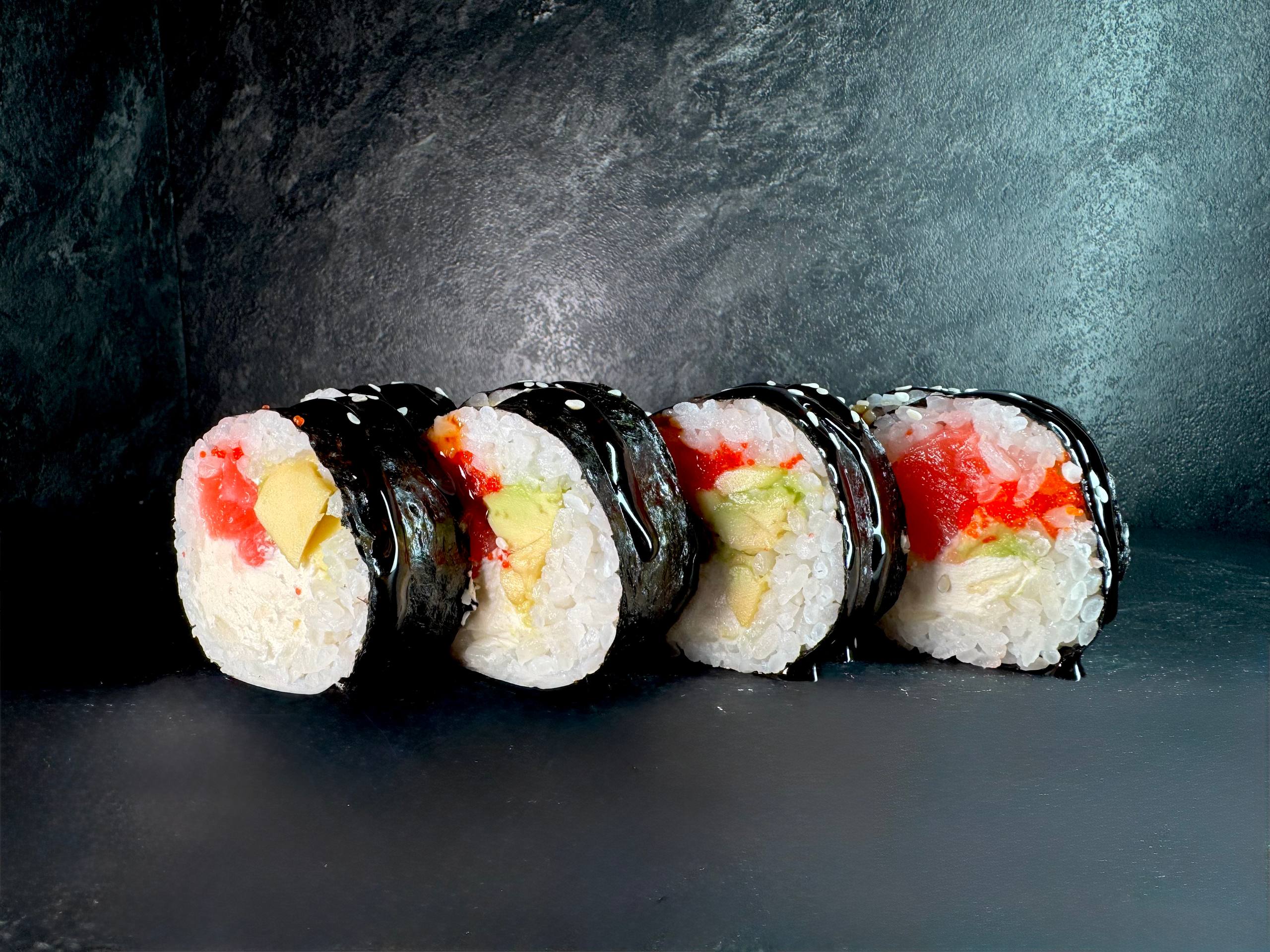
If you are looking for a healthier choice, consider Healthy Sushi Rolls. Rolls made with fresh salmon, tuna, shrimp, avocado, cucumber, or seaweed offer an excellent balance of flavor and nutrition. With fewer heavy sauces and simple ingredients, these rolls provide lasting satisfaction while remaining light and easy to digest. Many people regularly choose Healthy Sushi as an alternative to fried or heavily processed meals. Thanks to the wide variety of ingredients available, it is easy to find options that suit different tastes and dietary preferences. The most important factor is always the freshness and quality of the ingredients used in every roll.
Quality Delivery and Long-term Health Support
If you are searching for reliable Sushi Delivery in Germany, choose a restaurant that prepares every order with fresh ingredients shortly before delivery and follows high food safety standards. This allows you to enjoy delicious sushi on a regular basis while benefiting from its nutritional value and maintaining a balanced, healthy lifestyle.